Introduction
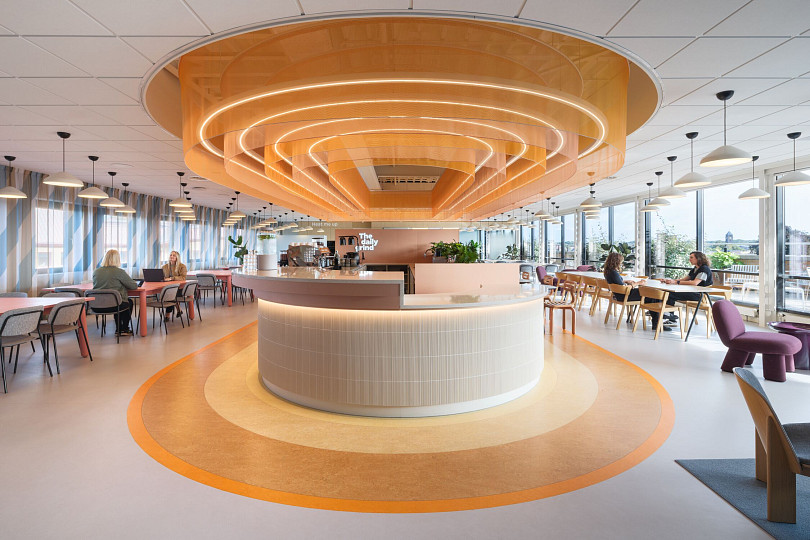
Working alongside the design team, the Circular Hub assessed furniture from Unilever’s existing offices and identified what could be reused, refurbished or adapted for its new home.
713 pieces were reused unchanged, while a further 420 pieces were revitalised at the Circular Hub, including Ahrend 2020 office chairs and Balance desk components that were resized to suit the new layout.
Main Article
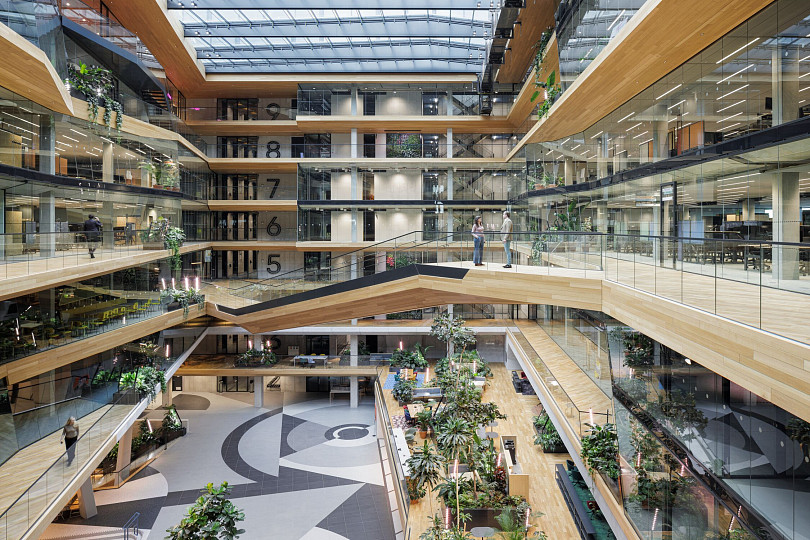
The project also gave a new role to all 14 existing Ahrend Qabins, which were relocated and incorporated into a biophilic workplace design alongside natural materials, planting and soft, organic forms.
By combining careful refurbishment with thoughtful interior design, the project achieved a 53% reduction in furniture-related CO₂ emissions compared with replacing the furniture with new products — demonstrating that circularity can deliver both environmental impact and a highly considered workplace experience.
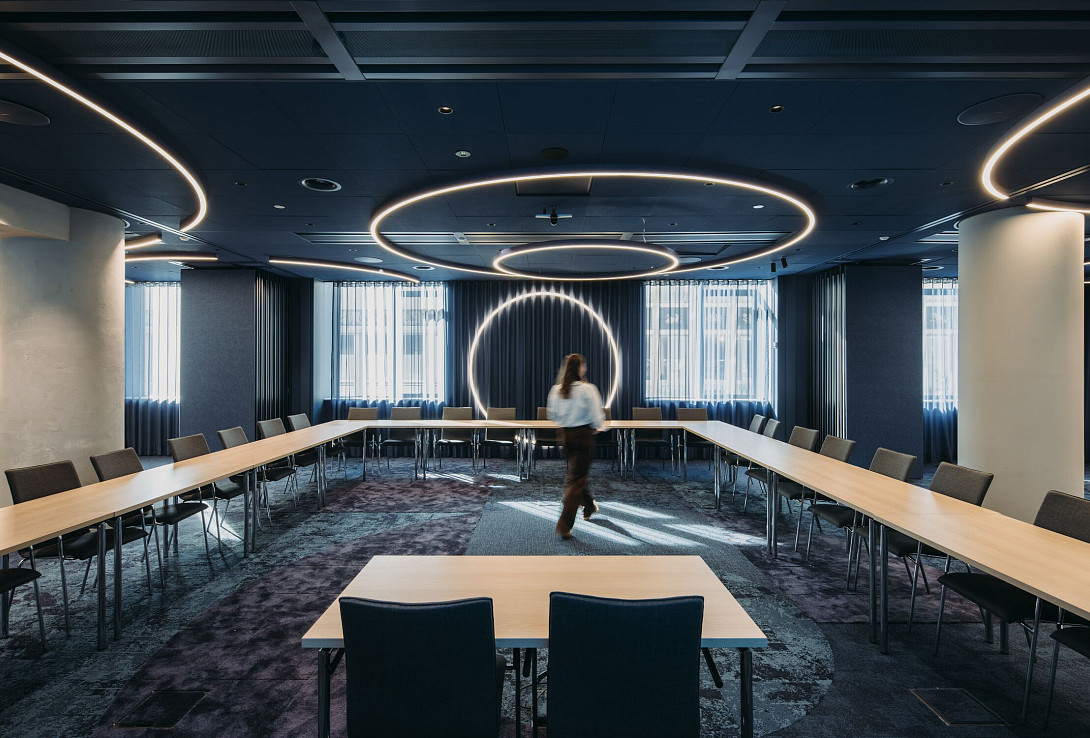
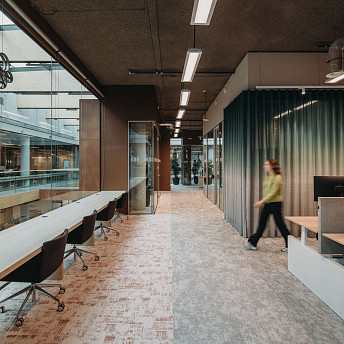
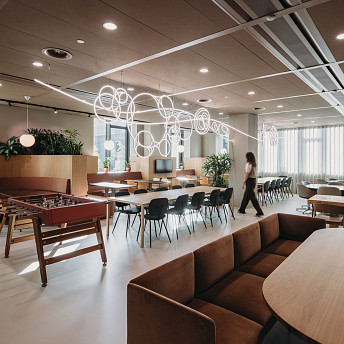
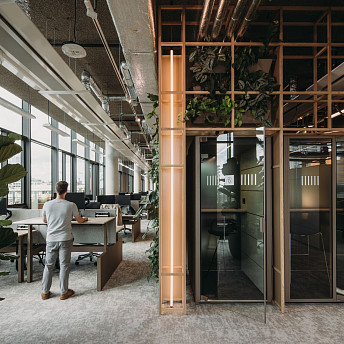
This project created a workplace that feels fresh and contemporary without relying on wholesale replacement.
It demonstrates perfectly that circularity is not a compromise on quality or design, but an opportunity to make better use of existing resources, extend the life of valuable assets and deliver measurable environmental benefits. For Unilever, the result is a more sustainable workplace with a clear story of reuse at its heart.
Project Overview